


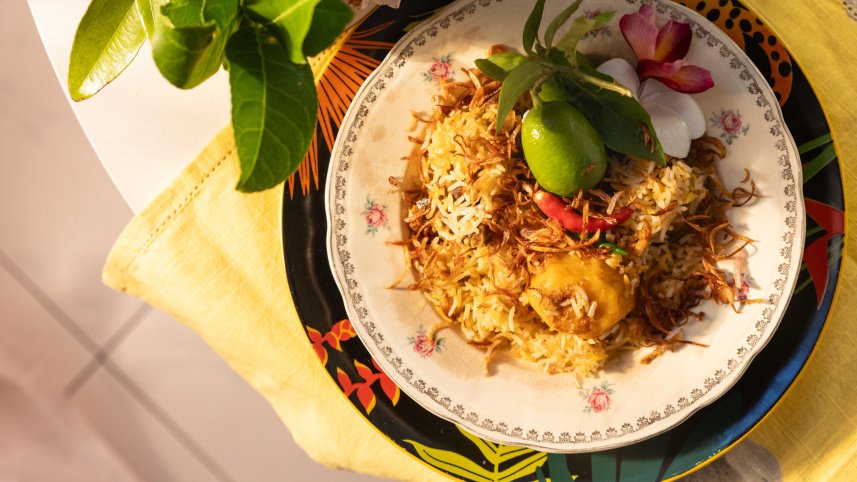
Kachchi biryani has become the defining dish of weddings in Bangladesh, evolving from an elite specialty into a universal feature across all social classes.
Three decades ago, it was largely associated with affluent weddings in Dhaka. Traditional wedding menus were different, often featuring pulao, chicken roast, mutton rezala, and other elaborate dishes depending on the occasion. Pre-wedding events such as engagements or gaye holud typically served tehari, while meat and paratha were common staples at smaller gatherings.
Over time, those older culinary traditions have gradually faded, replaced by a simplified but more symbolic food culture centered around kachchi biryani.
The dish gained popularity not only for its taste but also for its practicality as a complete one-plate meal, combining fragrant rice, marinated meat, and potatoes. Its convenience helped it replace more complex multi-dish wedding spreads.
Today, however, kachchi biryani represents more than convenience or tradition—it has become a marker of status and prestige. Many modern weddings now serve it alongside additional meat dishes, kebabs, vegetables, and other items, reflecting a shift toward more extravagant celebrations.
Despite this “culinary expansion,” kachchi biryani remains central to the emotional experience of weddings in Dhaka. Its aroma, richness, and association with celebration continue to make it an enduring symbol of wedding culture and memory.