


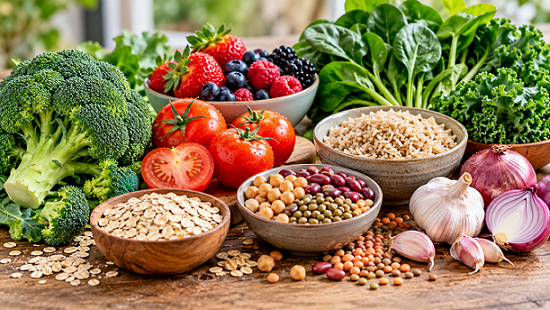
The food we consume every day plays an important role in keeping our bodies healthy. Eating a balanced diet provides essential nutrients, strengthens the body’s natural defence system and helps reduce the risk of various health problems.
Studies have also shown that healthy eating habits may contribute to lowering the risk of certain types of cancer. Although no single food can prevent cancer completely, including a variety of fruits, vegetables, nuts, seeds and other nutritious foods in our daily meals can support overall health and well-being.
Here are 13 foods worth including in a balanced diet.
1. Broccoli
Broccoli is a nutritious vegetable from the cruciferous family. It contains fibre, vitamins and a plant compound called sulforaphane.
Sulforaphane has attracted scientific interest because laboratory studies suggest it may influence processes involved in cancer development. However, more human research is needed to establish its effects.
2. Tomatoes
Tomatoes are rich in lycopene, a natural antioxidant responsible for their red colour.
Some studies have investigated the relationship between lycopene consumption and prostate health. Including tomatoes in regular meals is a simple way to add nutrients and antioxidants to your diet.
3. Citrus Fruits
Oranges, lemons, limes and grapefruits are excellent sources of vitamin C, fibre and other beneficial plant compounds.
Regular fruit consumption is associated with several health benefits. Citrus fruits can also contribute to a balanced diet that supports overall well-being.
4. Berries
Strawberries, blueberries, raspberries and blackberries contain antioxidants and plant compounds known as anthocyanins.
These compounds have been studied for their potential role in protecting cells from oxidative stress. Berries are also rich in fibre and make a nutritious snack.
5. Beans and Legumes
Beans, lentils and chickpeas provide plant-based protein, fibre and important minerals.
A diet rich in fibre is associated with better digestive health and a lower risk of colorectal cancer. Replacing some processed or red meat meals with legumes can also support healthier eating habits.
6. Carrots
Carrots contain beta-carotene, which the body converts into vitamin A.
They also provide fibre and other nutrients that support normal body functions. Carrots can be enjoyed raw, steamed, roasted or added to soups and salads.
7. Nuts
Walnuts, almonds and other nuts contain healthy fats, fibre, vitamins and minerals.
Regular nut consumption can form part of a healthy eating pattern. Walnuts are particularly known for their omega-3 fatty acid content.
8. Olive Oil
Olive oil, particularly extra virgin olive oil, contains monounsaturated fats and antioxidant compounds.
It is commonly included in Mediterranean-style diets, which have been associated with several health benefits. It can be used in salad dressings and everyday cooking.
9. Turmeric
Turmeric contains curcumin, a natural compound known for its antioxidant and anti-inflammatory properties.
Researchers have studied curcumin for its potential effects on cancer cells. However, laboratory findings do not establish that eating turmeric or taking curcumin supplements can prevent or treat cancer.
10. Flaxseeds
Flaxseeds are a good source of dietary fibre, plant-based omega-3 fatty acids and lignans.
They can be added to cereal, yoghurt, smoothies and other meals. Their nutritional content makes them a useful addition to a balanced diet.
11. Garlic
Garlic contains sulphur-based compounds, including allicin, which forms when garlic is crushed or chopped.
Some laboratory studies have examined these compounds for their potential health effects. Garlic also adds flavour to meals without requiring excessive salt.
12. Fatty Fish
Salmon, sardines, mackerel and other fatty fish provide omega-3 fatty acids, protein and vitamin D.
Including fish as part of a balanced diet supports heart and general health. Fish can be prepared through grilling, steaming or baking.
13. Cinnamon
Cinnamon is a popular spice containing natural plant compounds with antioxidant properties.
It can be added to drinks, breakfast dishes and desserts. Although some laboratory research has examined its effects on cancer cells, there is insufficient evidence to conclude that cinnamon prevents or treats cancer.
A Healthy Diet Is Part of Cancer Risk Reduction
Eating a variety of nutritious foods can support overall health and may contribute to reducing the risk of certain cancers.
However, cancer prevention involves more than diet alone. Maintaining a healthy weight, staying physically active, avoiding tobacco, limiting alcohol consumption, protecting the skin from excessive sun exposure and attending recommended health screenings are also important.
Remember: No individual food can guarantee protection against cancer. A balanced lifestyle, regular medical check-ups and evidence-based healthcare remain important for long-term health.