


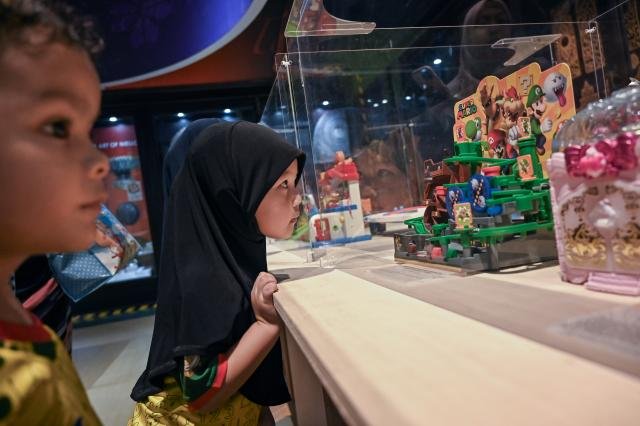
The Omocha: Japanese Toys Today exhibition offers an interesting approach to introducing Japanese culture to Malaysians through the world of toys.
National Unity Ministry Secretary-General Datuk Haslina Abdul Hamid said toys were part of the human experience that transcended geographical, linguistic and cultural boundaries.
“Through play, children learn the values of creativity, cooperation, discipline, friendship and togetherness.
“Toys also serve as a medium connecting generations and reflecting the social, technological and cultural changes within a society,” she said in her speech at the opening ceremony of the exhibition at the Perak Museum here today.
Also present were Japanese Consul-General in Penang Masamori Kobayachi, Japan Foundation Kuala Lumpur Director Tsukamoto Norihisa and Perak Museum Department Director Mohd Nasrulamiazam Mohd Nasir.
 Elaborating, Haslina said the exhibition was an example of how cooperation between cultural institutions could strengthen Malaysia-Japan friendship at the community level.
“When Japanese toys are introduced to Malaysians, we not only have the opportunity to discover the uniqueness of another country’s culture, but also recognise the shared human values between us.
“This is the true strength of cultural diplomacy. It enables people from different backgrounds to get to know, understand and appreciate one another without being limited by differences in language or national borders,” she said.
Haslina said the ministry, through the Department of Museums Malaysia, would continue to encourage inclusive and impactful museum programmes capable of attracting participation from people of different age groups and backgrounds.
She said programmes such as cultural exhibitions, heritage education, historical discussions and international cooperation should be viewed as part of strategic efforts to strengthen nation-building.
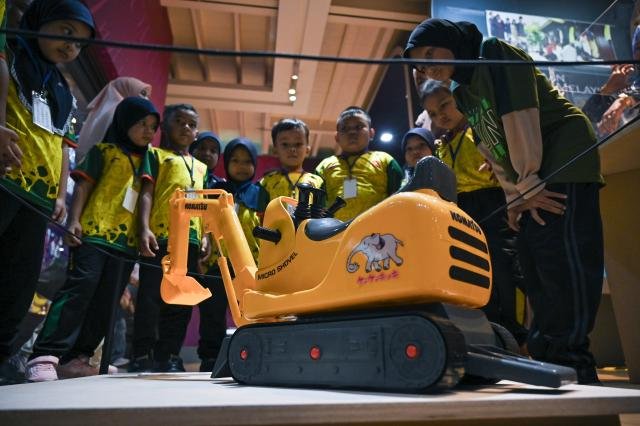 “We want museums to be institutions that are close to the community, particularly the younger generation, so that they not only learn about the country’s history but also understand the values of tolerance, cultural diversity and shared responsibility in preserving national harmony.
“At the same time, the ministry also welcomes strategic cooperation with international cultural institutions, as efforts to build unity and understanding should not stop at national borders,” she said.
Meanwhile, Tsukamoto said in his speech that the exhibition would explain the historical background and cultural elements of Japanese toy culture, while showcasing the diverse appeal of Japan’s uniquely developed toys.
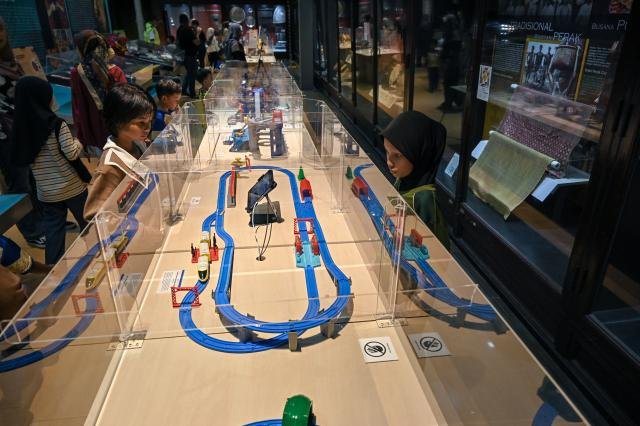
“From long-loved classic toys such as Tamagotchi, Tomica, Plarail and Beyblade to toys featuring popular characters such as Anpanman, Ultraman, Doraemon, Mario and Godzilla, as well as modern toys incorporating the latest technology.
“This exhibition marks the 70th anniversary of diplomatic relations between Malaysia and Japan. Coincidentally, it also features more than 70 types of contemporary Japanese toys from different brands and manufacturers,” he added.
Tsukamoto said Malaysia and Japan also shared similar traditional toys, such as Otedama and Batu Seremban, as well as Koma and Gasing, reflecting how Japanese culture had become part of everyday Malaysian life over the years and demonstrating that toys were more than just playthings for children.
“They can also help develop skills and curiosity among students. We hope to deepen the understanding of and interest in Japanese culture among many people through this exhibition, which can be enjoyed by children and adults alike,” he added.